



In an era where homes are getting smaller but expectations are only growing, space has become less about square footage and more about intelligence. The most compelling interiors today aren’t necessarily expansive — they’re thoughtfully orchestrated. A well-planned apartment or compact house can feel open, luminous, and quietly luxurious when every detail is working in harmony.
For interior and architectural designer Inna Lysetska, good design begins long before the finishing touches. With more than 27 years of experience creating residential interiors across Ukraine, Europe, and the United States, she approaches space as both an aesthetic and practical discipline. As the co-founder and Senior Interior Designer at IDL Construction in North Carolina, Lysetska leads projects from spatial concept to materials, lighting, and execution — always with the same philosophy: design should make daily life easier, not more complicated.
«Today design isn’t a luxury,» she says. «It’s clarity. Especially for families and compact homes.»
.jpg)
The Art of flow
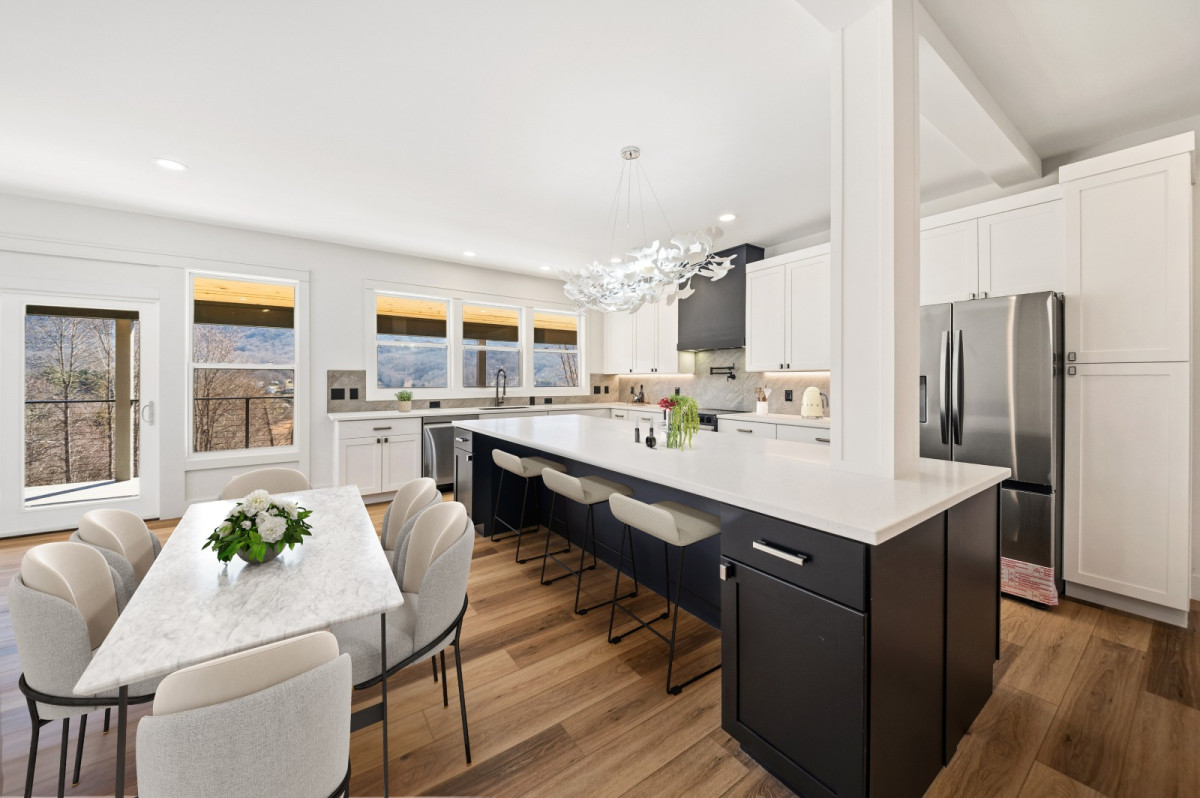
One of the most transformative strategies in smaller homes is the way spaces connect to one another. Instead of rigidly separated rooms, contemporary planning often favors an open flow between the kitchen, dining area, and family room.
But openness alone isn’t the answer. The secret lies in subtle zoning — creating defined areas without interrupting the visual continuity. A kitchen island anchors the culinary space; a rug or pendant light signals the dining area; a sofa grouping frames the living zone. Sightlines remain uninterrupted, allowing the entire space to feel expansive and connected.
Done right, an open plan becomes less about removing walls and more about choreographing movement.
Lighting that expands a room
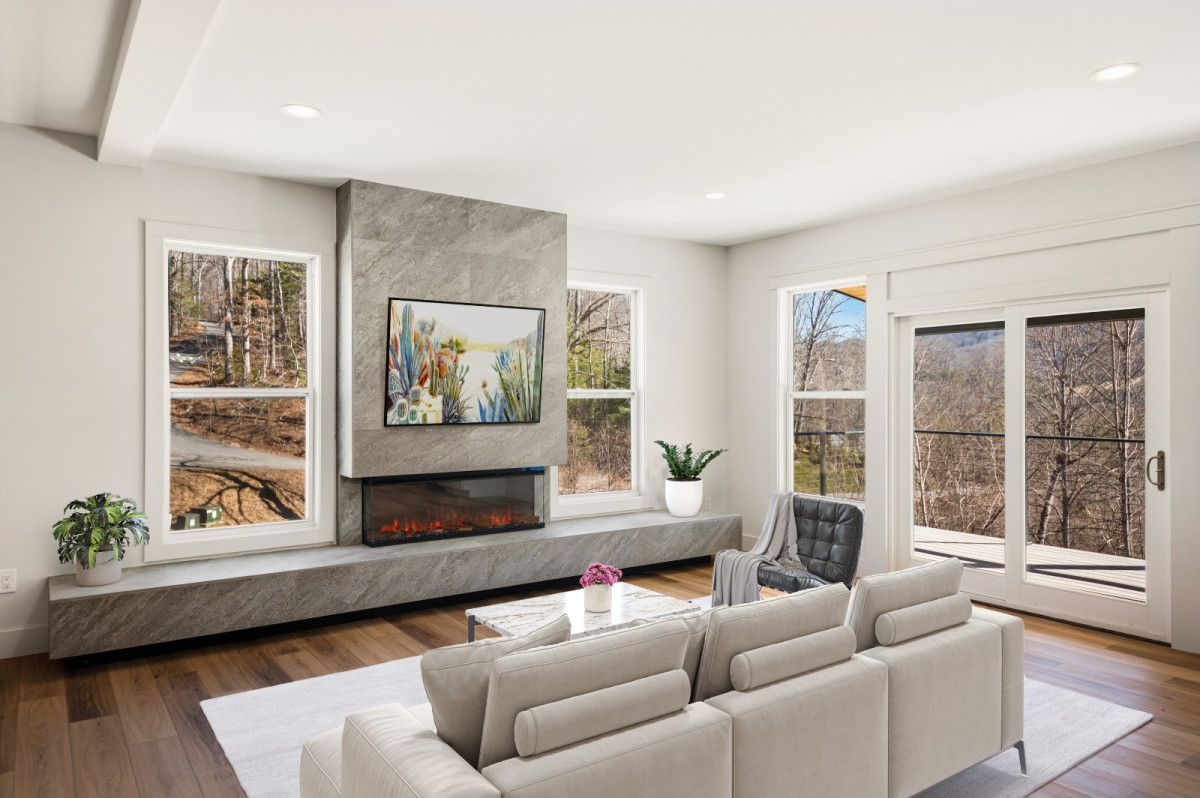
If architecture defines space, lighting shapes how we perceive it. Lysetska emphasizes a layered lighting strategy that combines ambient, task, and accent illumination.
Instead of relying on a single ceiling fixture, multiple sources create depth and dimension. Under-cabinet lighting softens the kitchen at night, wall sconces add warmth in living areas, while subtle accent lighting highlights textures or architectural lines.
Natural light plays an equally important role. Generous windows, reflective surfaces, and unobstructed views allow daylight to travel through the home, making even compact rooms feel open and breathable.
The beauty of hidden order
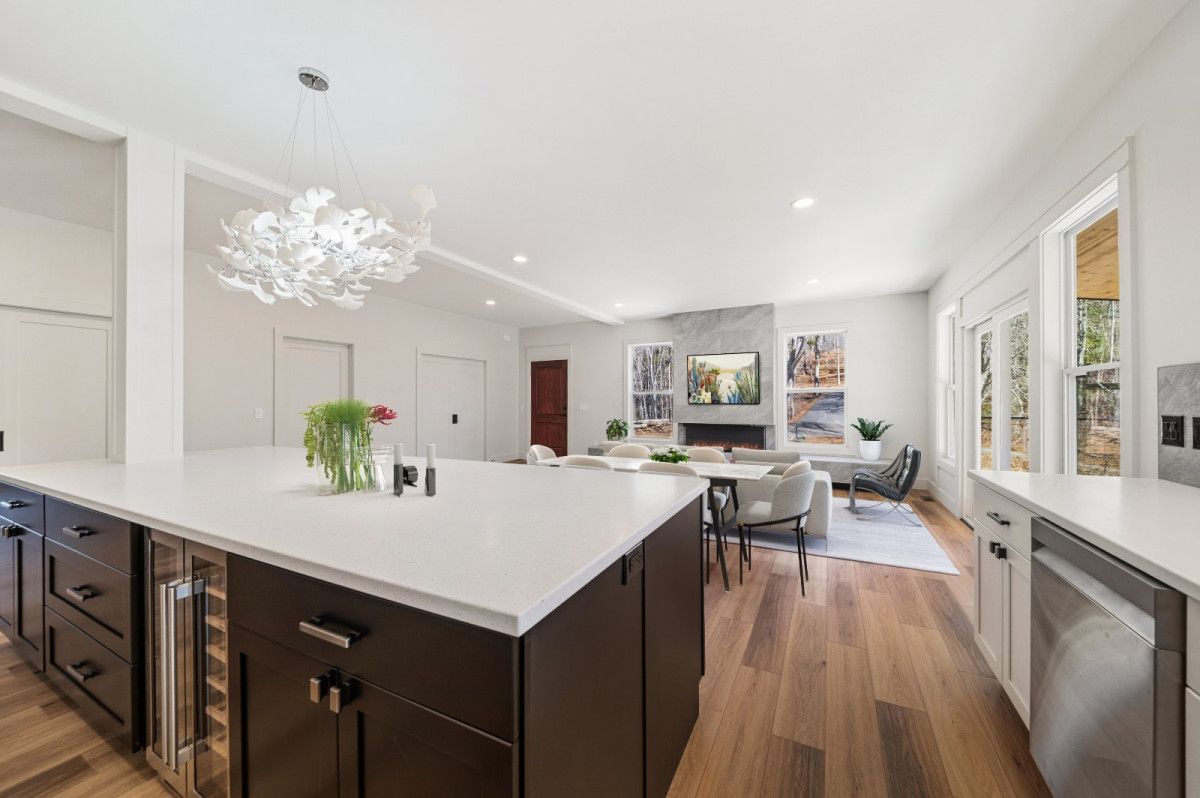
Clutter is often the invisible enemy of small interiors. The most elegant solution isn’t necessarily fewer belongings, but smarter storage.
Built-in cabinetry, concealed compartments, under-stair drawers, and integrated shelving keep everyday items within reach while maintaining visual calm. When storage becomes part of the architecture itself, it disappears into the design.
Lysetska describes this approach as «clutter-free elegance» — a space where functionality exists quietly beneath a refined surface.
Durable materials, elevated look
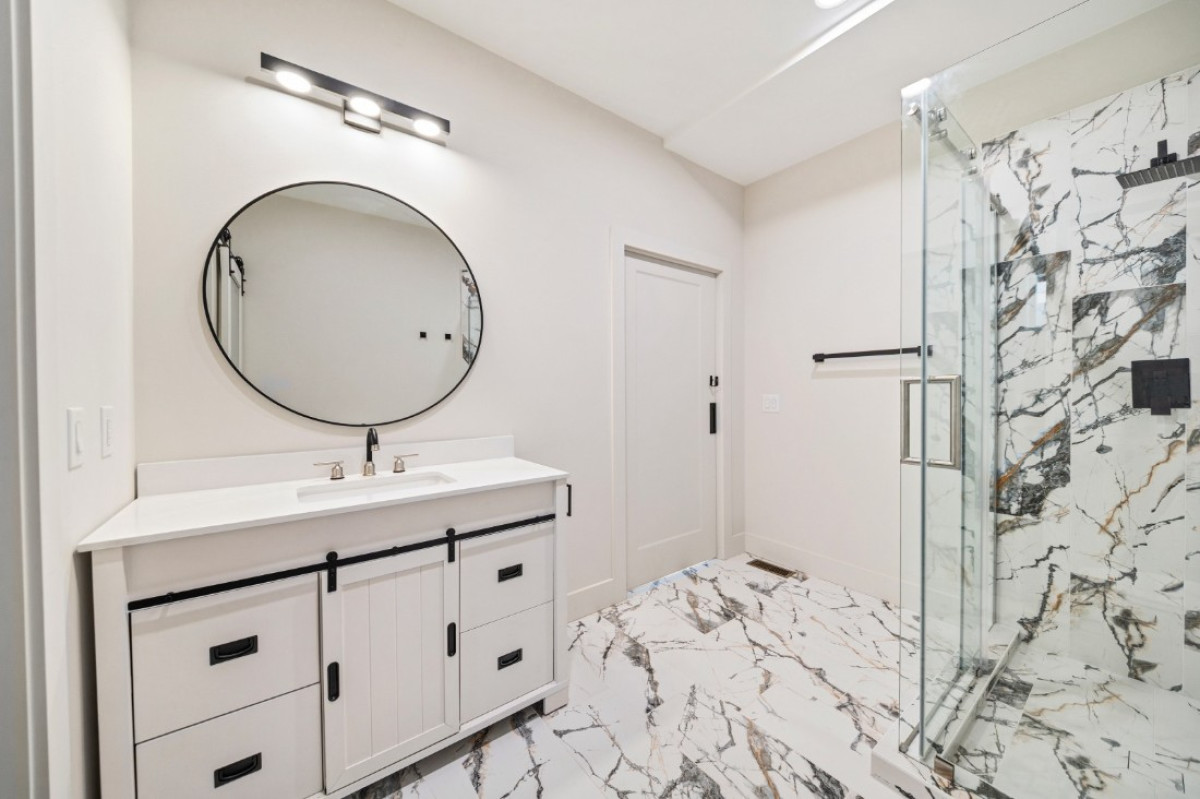
Practicality is another cornerstone of modern residential design. Beautiful interiors must also survive daily life.
Performance fabrics, washable paints, and resilient flooring allow homes to remain polished even with children, pets, or busy schedules. Materials like quartz countertops, engineered wood flooring, and stain-resistant textiles combine durability with understated sophistication.
The goal isn’t preciousness — it’s longevity.
Where two design cultures meet
Lysetska’s work reflects a balance between European design discipline and American residential comfort. European tradition prioritizes proportion, craftsmanship, and efficient spatial planning, ensuring every meter serves a purpose. American homes, meanwhile, embrace openness and relaxed living.
Together, these philosophies produce interiors that feel both structured and welcoming: practical layouts filled with light, materials chosen to last, and spaces designed to support everyday routines.
Designing for the way we live
Ultimately, the magic of a small home isn’t about illusion — it’s about intention. When layout, light, materials, and storage align, a compact space can feel remarkably generous.
Because the most successful interiors today aren’t the largest ones. They’re the ones designed to make life flow beautifully within them.